Solo travel can be one of the most rewarding experiences in life. It gives you freedom, flexibility, and a chance to connect with yourself in a way group travel often doesn’t allow. But planning such a trip can feel intimidating. From choosing destinations to managing budgets, the details may pile up. The good news is, with the right approach, you can design a smooth journey without stress.
Starting With a Clear Goal
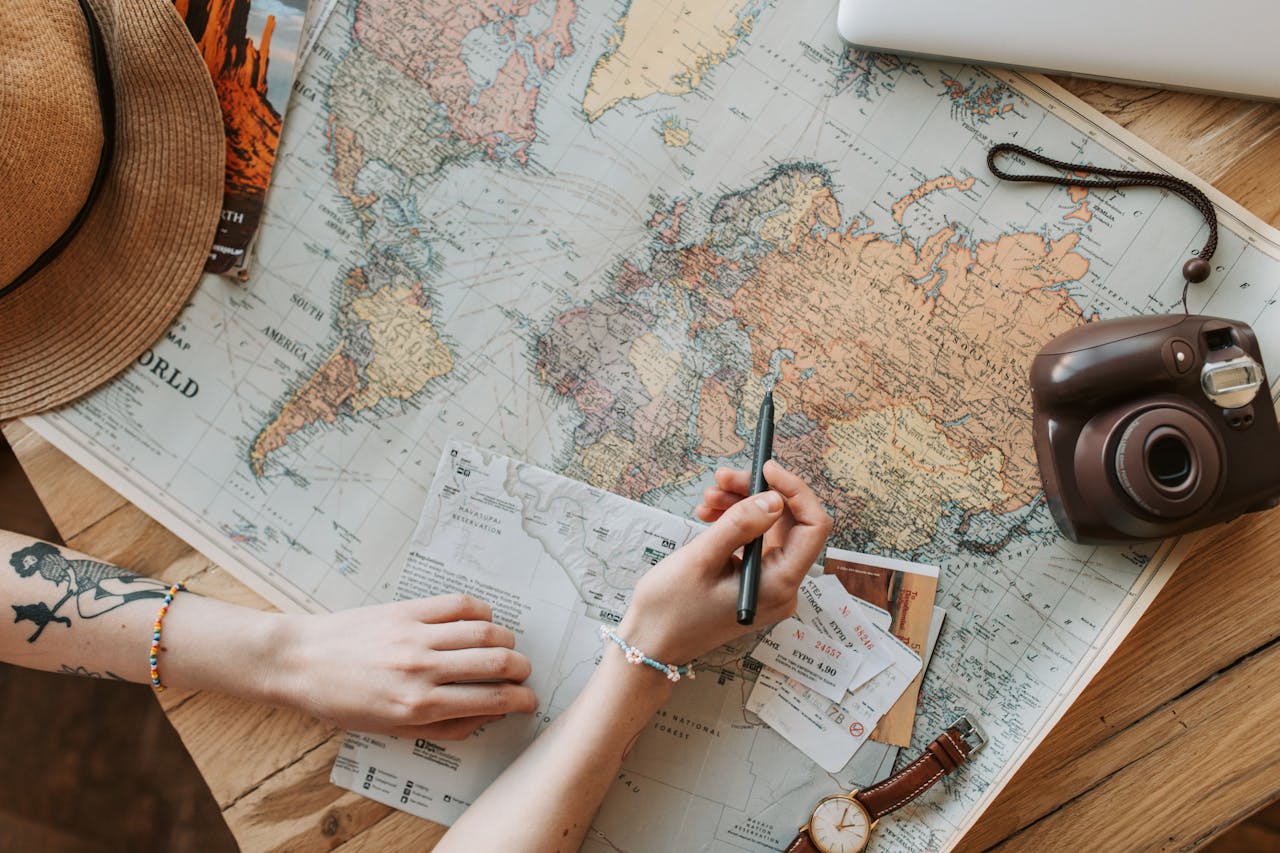 Every successful trip begins with intention. Ask yourself what you want out of your adventure. Are you seeking rest, cultural exploration, or adrenaline-filled activities? When you set a clear purpose, it becomes easier to filter options. A beach retreat will look very different from a hiking expedition. Clarity at the start helps ensure your plans remain manageable.
Choosing the Right Destination
Picking where to go is often the biggest decision. When traveling alone, safety and comfort matter as much as excitement. Opt for a destination that matches your interests but also supports easy navigation and reliable infrastructure. Cities with good transport systems or small towns known for hospitality can reduce stress. Remember, the place should suit your travel style rather than impress others.
Planning Accommodations Wisely
Your lodging can shape your experience more than you think. Hotels, hostels, and rentals each offer unique advantages. Hostels might bring social opportunities, while hotels provide privacy and structure. Rentals can feel homelike and flexible. Choose what aligns with your comfort and budget. A safe, central location is often worth the extra cost since it saves time and worry.
Keeping Itinerary Simple
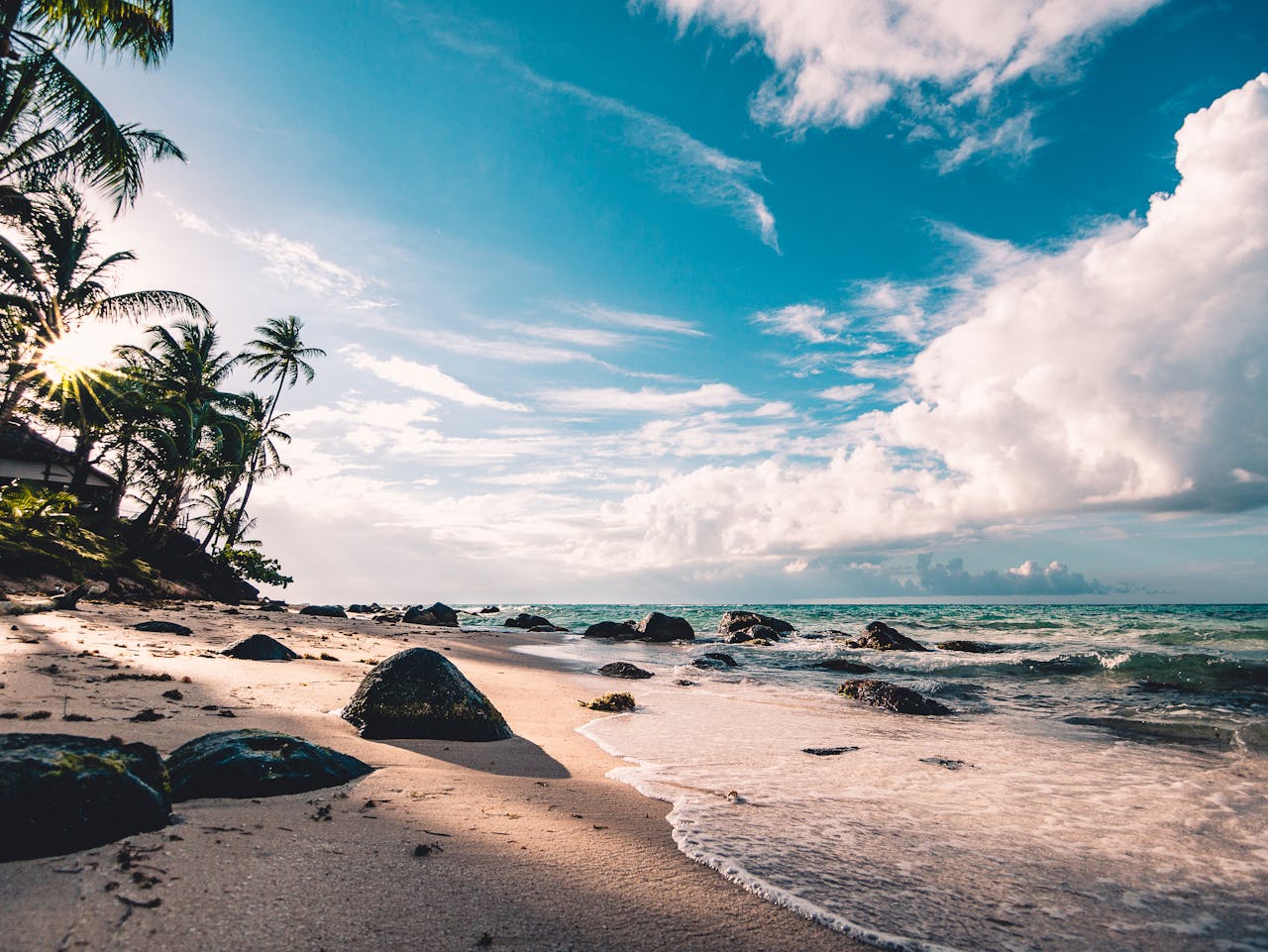
It’s tempting to pack your schedule with attractions, but too many activities can overwhelm. Focus on a few highlights instead of chasing every landmark. Leave room for spontaneity. Some of the best memories happen when you stumble upon a local café or quiet park. A balanced itinerary ensures you enjoy each moment without rushing from place to place.
Budgeting for Peace of Mind
Money is one of the top stressors in solo travel. Build a budget before leaving to avoid surprises. Include accommodations, food, transport, and activities. Always add a cushion for emergencies. Digital tools and apps make tracking expenses simple and effective. Having your finances mapped out brings peace of mind and allows you to spend with confidence.
Packing With Purpose
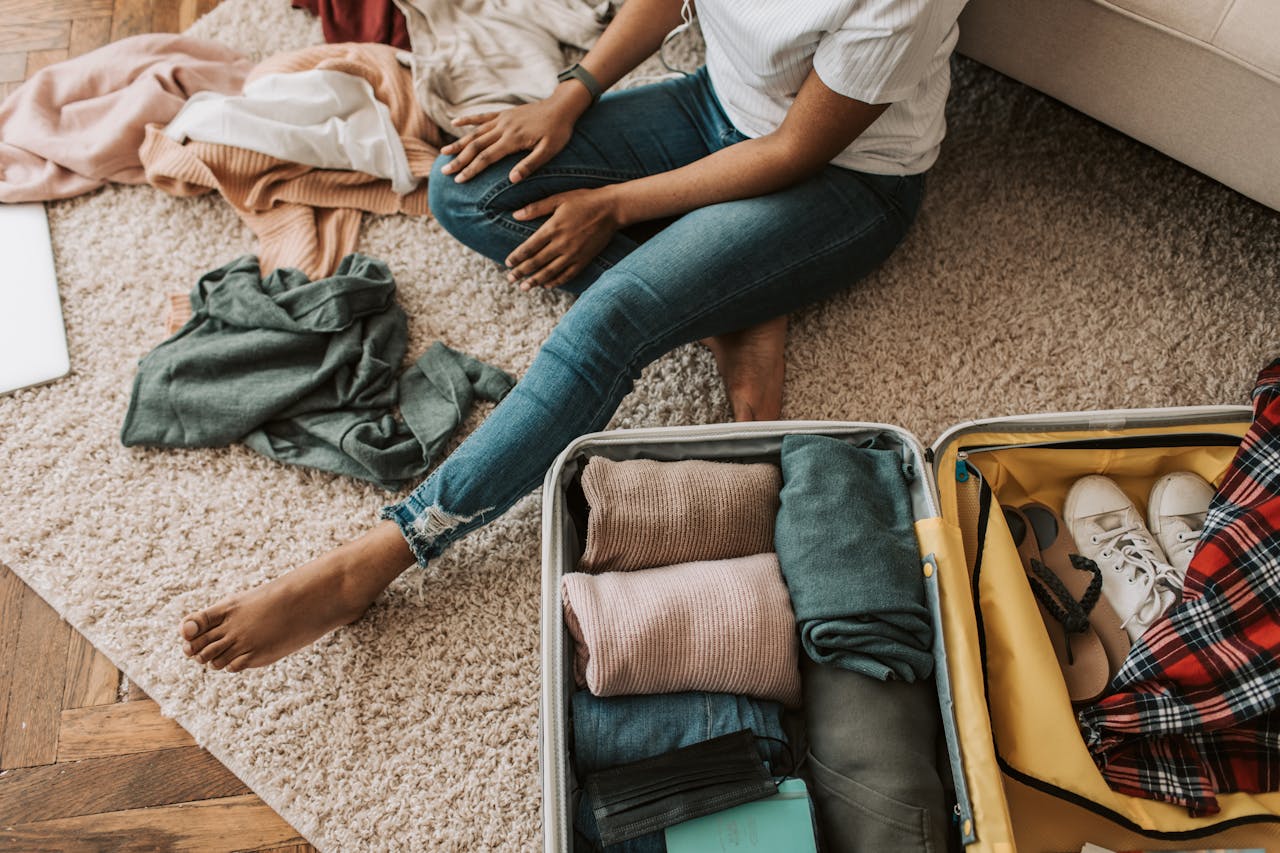 Overpacking can weigh you down physically and mentally. Create a list and stick to essentials. Think of versatile clothing that can be mixed and matched. Pack items that serve multiple purposes, such as a scarf that works as a cover-up or blanket. Keeping luggage light makes moving around easier and reduces unnecessary stress.
At the heart of solo travel is the opportunity to step outside your routine. Accept that not everything will go perfectly. Trains may be late, or restaurants may close earlier than expected. These moments test patience but also add character to your trip. Approach challenges with flexibility. They often lead to unexpected discoveries that make your journey memorable.